

Welcome to Black Sheep, a spin‑off of my serialized memoir, SMIRK. If you’re looking for SMIRK, here’s the link to the complete book. Black Sheep is where I now follow similar themes of fraud and folly in other companies, industries, and individuals.
New York City weather usually alternates between flavors of misery, but for a few days in spring, it’s bliss. New Yorkers shed their puffer coats. Windows fly open to breezes. Children scamper down sidewalks, their parents swearing in vain. On a stroll through a park, you might catch yourself humming a tune, smiling as you notice a vagrant on a bench doing the same. You can feel the city inhaling, exhaling, unburdened.
This spring, New Yorkers got an extra reason to collectively rejoice as the sun warmed their spirits: The leader of an organization that has routinely scourged the city, crowding its streets with sloppy, ill-behaved drunks dressed as Santa Claus, was arrested and charged with fraud.
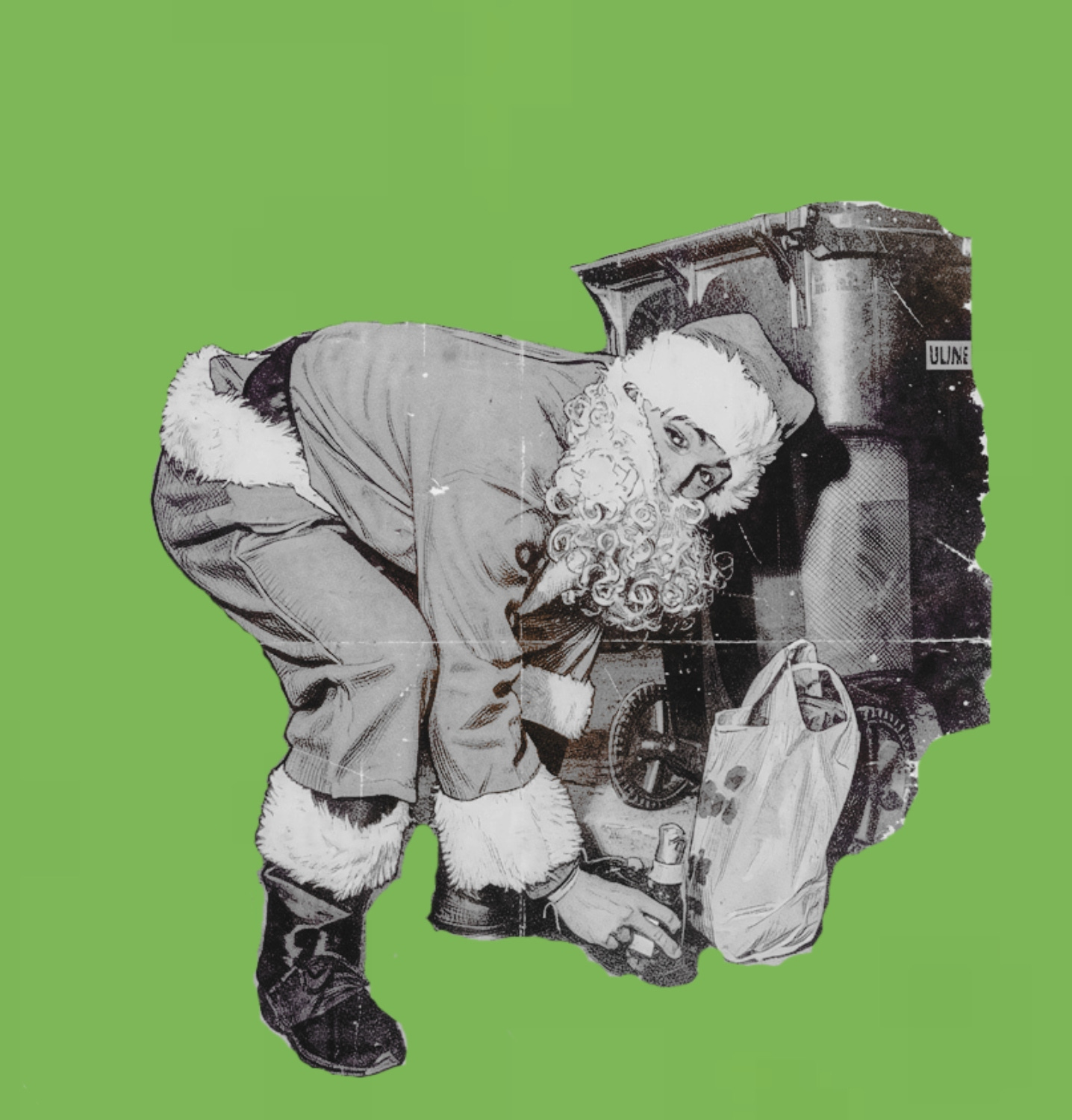
On April 14, 2026, the federal court in Manhattan unsealed charges against Stefan Pildes, organizer of New York City’s SantaCon, over allegations that he stole $1.4 million of the proceeds of the purportedly charitable bar crawl for personal expenses like parties and luxury vacations.
The victims of this alleged scheme were the “Santas,” thousands of young people who streamed annually into the heart of Manhattan, decked in holiday attire, to engage in a messy display of public drinking, carousing, urinating, puking, fighting, and countless other disruptive activities. Born on the West Coast in the 1990s as a countercultural prank, SantaCon helped inspire Chuck Palahniuk’s vision of Fight Club’s Project Mayhem; but when the event came to New York City, it swelled into an even more unruly and more despised tradition.
On the Internet, New Yorkers unleashed their snark. When the US attorney’s office in Manhattan posted a tweet asking to hear from people who believed they were “victimized in the alleged SantaCon fraud,” replies included:
“Santa exposed himself to my 3 yr old daughter last SantaCon. It’s ruined Christmas. The holiday traumatizes her. Who should I speak to about this?”
“does trying to commute to work while it’s happening count?”
“Does having to dodge vomit on the street count?”
“Every New Yorker is a victim of santacon.”
“what if you have been victimized by SantaCon, but also brought it upon yourself?”
No one expressed any real concern for the Santas. To the extent their plight was considered at all, the overwhelming theme was “they had it coming.”
This sparked a philosophical dilemma that often arises for me when writing about criminal cases: How should journalists and the public interpret the situation when the victims themselves are unsympathetic, somewhat at fault for their predicament, or even bad people? The default frame is the one prosecutors use in trials, portraying defendants as villains. But that starts to fall apart when the individuals they supposedly harmed seem to be on the receiving end of karma.
Follow this reasoning far enough, and it ends in dark places: like the widespread support for fresh-faced alleged populist vigilante Luigi Mangione, accused of gunning down a health insurance CEO in broad daylight. Or on a less macabre level, you have situations like the Mt. Everest rescue con I wrote about in my last Black Sheep post, targeting ill-prepared amateur climbers who have been overrunning the mountain, trashing the delicate environment and creating “traffic jams” along narrow summit paths at dangerous altitudes. Writing that, I couldn’t help but want to root for the alleged scam artist sherpas a little bit.
But no matter how much you might despise the harsh realities of capitalism, murdering executives is never the answer. Nor is it OK to defraud someone just because they are obnoxious and seem like they should be defrauded. These are the terms we must accept as conditions of living in a civilized society; when laws are broken, the agreed-upon legal process should have a chance to run its course, however out of sync it might seem with our personal notions of poetic justice.
And that brings me back to the Bad Santas. Here’s a sober look at the facts (ok, pun intended):
Unsurprisingly, there have been suspicions about sketchiness and SantaCon funds for at least a few years. Gothamist did an investigation in December 2023, analyzing the nonprofit’s financial filings and finding that a significant portion of the money went to “crypto and Burning Man.”
The federal indictment now alleges Pildes raised $2.7 million from 2019 to 2026 by selling $10 to $20 tickets to the Santas. He also took a cut of sales from the 60ish bars that agreed to be “official stops on the SantaCon route.” While not mentioned by the Feds, a TimeOut New York article on SantaCon 2025 notes: “This year, there’s also a VIP ticket option for $360, which includes line-cutting privileges and an exclusive SantaCon keepsake badge.”
In marketing, Pildes claimed all the money went to good causes, including “arts funding and fighting hunger,” telling attendees on the event website that they could “brag that [they] actually gave to charity this year.” According to prosecutors, the group also sent an email to an attendee who questioned the purpose of the ticket, saying that it was a “donation” and “that good feeling will warm your heart faster than whiskey and gingerbread.”
The vehicle Pildes used to gather all of these funds was a 501(c)(3) nonprofit called, strangely, “Participatory Safety Inc.” The group’s Form 990s, which you can find on the IRS web page, describe its mission as raising “funds and community participation through a costumed city-wide event” to support “Arts Projects and “causes and charities that align with our goals and mission.”

However, according to federal prosecutors, about half of the money went to Pildes, himself. The indictment lists purposes including “extensive renovations to a lakefront property in New Jersey, luxury vacations in Hawaii, Las Vegas, and Vail, extravagant meals, and a luxury vehicle.” SantaCon also allegedly covered his Manhattan rent and a “$100,000 investment in a boutique resort in Costa Rica founded by a personal friend.” A lot of the funds were allegedly diverted through a separate corporate entity he controlled, even more amusingly named “Creative Opportunities Group Inc.”
Now out on bail, 50-year-old Pildes is charged with wire fraud. The government is seeking the forfeiture of his lake house, among other assets. If convicted, his future probably includes at least a few not-so-jolly or boisterous holiday seasons in a drab prison camp.
*****
Looking over all of this, one could easily argue that thousands of Santas are no worse off for allegedly unintentionally “donating” $10 or $20 or so to Pildes’ living expenses and luxurious lifestyle. One could also plausibly argue that being conned out of such a small sum is far from the worst thing that could happen when getting black-out intoxicated in the middle of Manhattan.
But here’s the annoying thing about principles: They are impossible to shake off, even if the immediate harm appears nominal. And deeper truths tend to emerge, showing they were important all along.
Thinking back to my original question in this piece, I arrived at some answers, at least as applied to this situation specifically. There’s no point in feeling sorry for the Santas. The victim frame doesn’t fit them. Their raucous antics make city living more challenging than usual for a day. Skimming a little off the top of the hundreds of dollars each probably spends achieving peak drunken idiocy might seem benign.
However, there are real losers, even if they don’t technically meet the legal definition of “fraud victims.” While not directly robbed, the charities that were supposed to receive the donations — or, more accurately, their beneficiaries — come to mind. We will never know what good works could have been done with the money if it had gone where it was promised.
Another “real” victim is New York itself. Claiming that an event is for charity does exactly what the organization says: it warms the heart and makes a participant feel good about themself… even if they end up puking on their shoes. Who knows how many Santas might have reined themselves in and behaved a little better if they didn’t get to wear an artificial halo.


