

Welcome to Black Sheep, a spin‑off of my serialized memoir, SMIRK. If you’re looking for SMIRK, here’s the link to the complete book. Black Sheep is where I now follow similar themes of fraud and folly in other companies, industries, and individuals.
Skyscrapers define New York City’s skyline, but on the ground, another form of architecture lies closer to our hearts: the brownstone. These graceful townhouses sprang up in the 1800s near Central Park, in Brooklyn, and in Harlem as the city rapidly amassed wealth and power. They were a status symbol then, and they remain that way today. Gazing at their wide stoops, proud facades, and generous windows, the typical NYC transplant can’t help but feel a tug of longing to own one someday, followed by a more practical question: “I wonder what that costs?”
The answer, of course, is “a lot.” Though a fair number of current owners snapped up their brownstones in the crime-ridden 1980s and 1990s, when many were abandoned and sold for a pittance, these properties now command well into the millions of dollars. Even a crumbling brownstone in need of a gut renovation could go for a million dollars or more, despite historic preservation rules restricting what can be done with them. Often passed down through generations, these homes may fall into disrepair and distress when elderly owners fail to keep up with never-ending maintenance and property taxes. Enter a specific kind of predator who exploits these murky situations: the deed thief.
The whole idea of “deed theft,” literally stealing a person’s property through con artistry and forgery, seems a little unreal. Going through a real estate closing involves so much paperwork, especially in New York, where lawyers are required to advise throughout the process. I did it once, and my hand literally cramped from signing my name so many times. But I guess old properties and old documents, with titles transferred between spouses and family members, still present loopholes. According to the New York attorney general’s office, that’s how deed thief Joseph Makhani did his work.
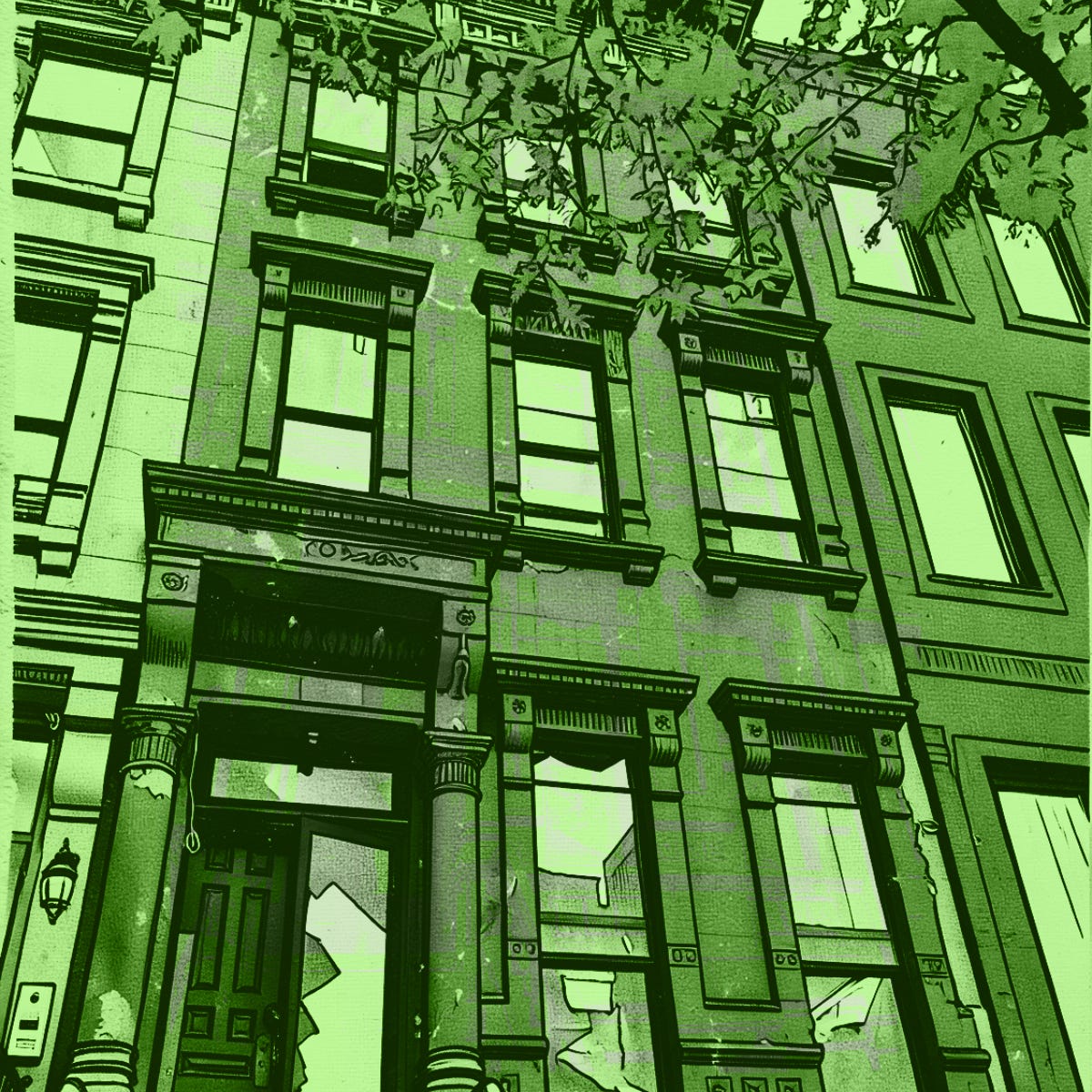
A self-described real estate developer, Makhani was convicted in July 2026 of a scheme to defraud and criminal possession of stolen property over his taking ownership of two Harlem brownstones, valued at a total of $4.7 million. His tricks included fake deeds, forgery, shell companies, and legal proceedings, all to persuade authorities and even the real owners of the homes that he had actually purchased the properties. He was so convincing, apparently, that one elderly owner ended up living in a homeless shelter, believing they no longer owned the home, while Makhani illegally collected rental income from it.
It’s an ugly tale, what happened with these two houses, and 63-year-old Makhani will likely spend a significant portion of his remaining life in prison because of it. But when I started digging, I found an even more interesting thread that had gone without mention in recent press accounts. Legal documents revealed that Makhani had been engaging in various alleged deed-theft tactics for many years. In one case from the early 2010s, a would-be victim fought back….and won (somewhat). This is his story.


