
Welcome to Black Sheep, a spin‑off of my serialized memoir, SMIRK. If you’re looking for SMIRK, here’s the link to the complete book. Black Sheep is where I now follow similar themes of fraud and folly in other companies, industries, and individuals.
These days, it’s hard to keep track of, let alone care much about, the things the Trump Administration is arbitrarily renaming. There’s the “Gulf of America” and “Lake America,” which everyone not trying to pick a fight with relatives at Thanksgiving still calls the Gulf of Mexico and Lake Ontario. Then there’s Mt. McKinley, rechristened from Denali, the name the Obama administration gave it in recognition of what indigenous Alaskans have called it for thousands of years. Disturbingly, from an international relations standpoint, the Department of Defense is now the Department of War.
And now, as the country reels from both the promise of wealth and portent of doom brought by AI, the administration has seized on it as yet another rebranding opportunity. As Trump explained in an Oct. 8, 2026, post on Truth Social, with his usual rhetorical restraint: “The White House considers anyone that uses the term, ‘Artificial Intelligence,’ as opposed to the highly accepted new and more accurate term, ‘Super Intelligence,’ THE ENEMY!”
As problematic as it is for a US president to demonize normal words, especially given that freedom of speech is enshrined in our Constitution, I was also struck by what seemed to have sparked this verbal crusade. Michael Smith, a North Carolina man who had scammed millions of dollars in royalties from streaming platforms using AI-generated songs and bots, and whom I previously wrote a Black Sheep post about, was sentenced on Oct. 6, 2026. The Department of Justice adopted Trump’s new naming convention, calling it “Super Intelligence-Assisted” fraud in its press release.
However, the sentence didn’t really support the super-villain-style upgrade. Smith got 18 months, translating realistically to a little over a year in a minimum-security camp, after “good behavior” and other credits. This would not be a vacation, to be sure, but it would be a far cry from “hard time” in a penitentiary. Curious about the dissonance and how Smith ended up with a relatively mild punishment despite the administration’s tough talk, I took a look through the docket. I found some potential clues.
The sentencing documents revealed that Smith’s scheme was hardly cutting-edge, at least by today’s standards, given how much AI has advanced since he started it in 2017. Using bot networks to “listen” to songs and collect royalties undoubtedly constitutes fraud, but bots are now ubiquitous across the internet, from social media to e-commerce websites. AI-generated music, meanwhile, has lost some of its original shock value, even as streaming platforms impose stricter rules around its use. It still raises hackles among human musicians, of course.
Also playing a potential role was the huge pile of letters from supporters Smith had amassed and submitted to the court. Mostly from friends and family, the 40 or so letters painted an image of Smith, 54, as a deeply caring man, a devoted father to six in a blended family, a survivor of an abusive childhood, and — perhaps especially helpfully, for leniency purposes — a passionate contributor to the music industry. Smith purported to be a “driving force” behind a BET hip-hop talent search show called “One Shot,” where he allegedly paid $100,00 in prize money to the winner “out of his own pocket.”
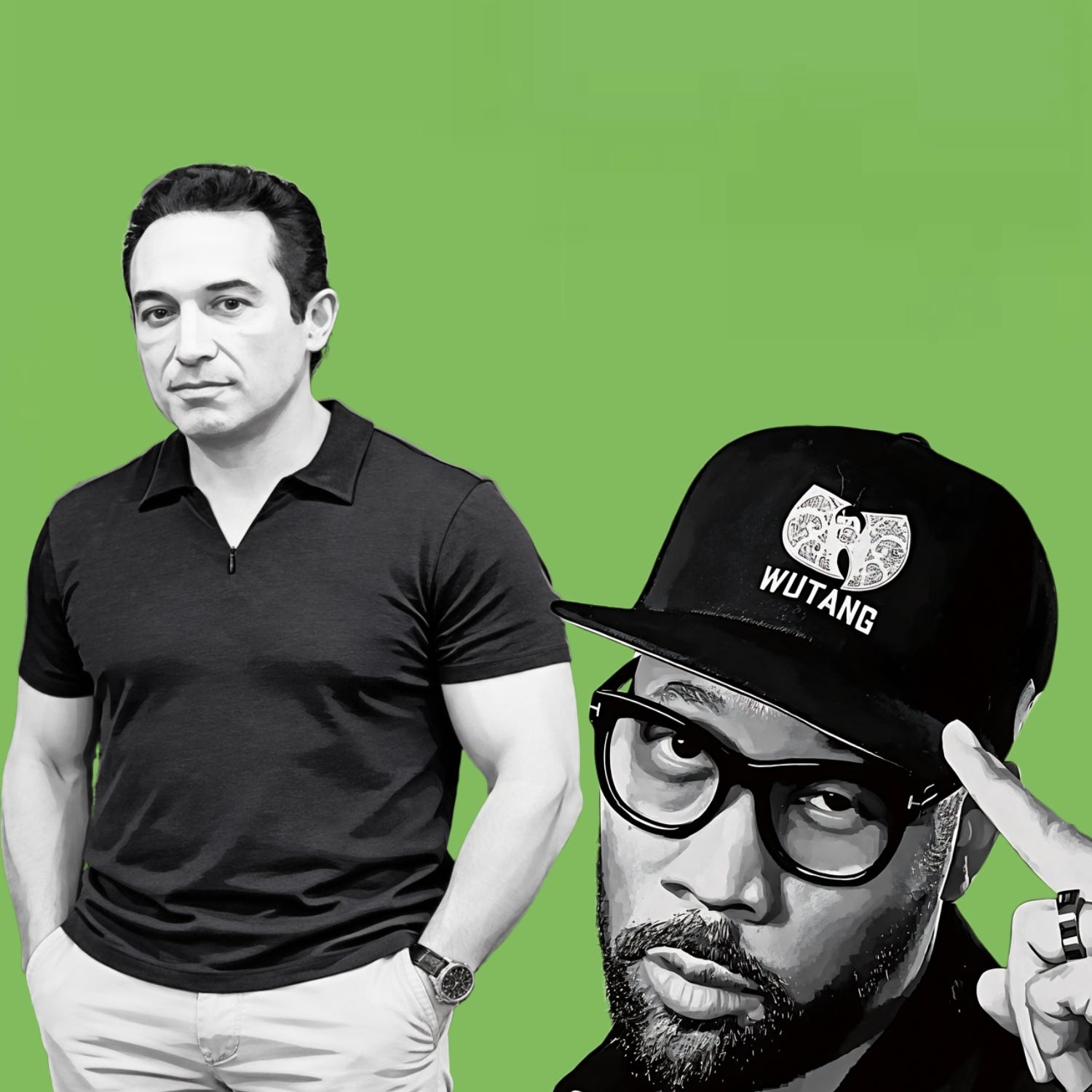
Smith also clearly made worthwhile contacts in the music business. A letter from one of these individuals, submitted in support of Smith, especially caught my eye. It was from Robert Diggs, better known as RZA from the Wu-Tang Clan.
Obviously, there’s no way of knowing exactly how much this particular letter influenced the judge, or whether it carried any weight at all. But I can’t imagine it escaped his attention. Whatever a busy federal judge spends time looking at in a case will almost certainly occupy some place in his or her mind when making an important decision.
[The full letter and the rest of this column are available for paying subscribers.]
